How to Spot Fake Amazon Reviews: 7 Essential Red Flags
 Jasmine F.Amazon
Tired of buying products based on bogus five-star ratings? Learn exactly how to spot fake Amazon reviews with these 7 critical red flags. Shop smarter today!
Amazon is a massive marketplace, and for many of us, customer reviews are the deciding factor between clicking "Buy Now" and moving on to the next product. In fact, studies show that nearly 95% of shoppers read online reviews before making a purchase.
The problem? Some sellers attempt to game the system. Unscrupulous sellers know that a 4.5-star average is the key to visibility and sales. This has led to an underground market of bad actors of "review brokers" who pay for positive feedback, flooding product pages with misleading information.
While Amazon is actively fighting this battle, fake reviews still slip through the cracks constantly. To protect your wallet and ensure you're getting quality products, you need to become a review detective.
In this guide, we will arm you with the knowledge to identify the telltale signs of fake Amazon reviews, use third-party tools for verification, and shop with confidence.

Why Do Fake Reviews Exist?
Before diving into how to spot them, it helps to understand why they exist. The motivation is almost always financial.
- Boosting Rank: Amazon’s algorithm favors products with high ratings and sales velocity. Fake positive reviews artificially boost a product to the top of search results.
- Launching New Products: A new product with zero reviews looks risky. Sellers "seed" the listing with fake initial reviews to build immediate social proof.
- Sabotaging Competitors: It’s not just about fake praise; sometimes unscrupulous sellers pay for negative reviews on a competitor's listing to drive down their rating.
Knowing that this manipulation exists is the first step toward smarter shopping. Now, let's look at the red flags.
7 Critical Red Flags to Spot Fake Amazon Reviews
You don't need to be a data scientist to spot suspicious patterns. Usually, a quick scan using these seven criteria is enough to reveal a manipulated listing.

1. The "Too Good to Be True" Generic Review
Real people rarely write reviews that sound like marketing copy. If a review is a short, enthusiastic burst of generic praise with zero specific details about the product's function, be skeptical.
- Fake: "Amazing product! Changed my life. Best purchase ever, highly recommend to everyone. Five stars!!!"
- Real: "I bought this blender mostly for morning smoothies. It handles frozen fruit well, but it's a bit loud on the highest setting. The cleaning cycle is a nice feature."
2. Review Stacking (Timing is Everything)
Look at the dates the reviews were posted. A natural product gains reviews steadily over time. A product that suddenly receives fifty 5-star reviews within a three-day span, especially if they were all posted before the product was widely available, is a major red flag for a paid review campaign.
3. Unnatural Language and Keyword Stuffing
Some fake reviews are written by bots or non-native speakers hired in bulk. Watch out for stilted phrasing, odd grammar, or reviews that seem to awkwardly stuff the exact product name multiple times into a single sentence.
Example: "We enjoy greatly the [Full Product Name Model X500]. The [Full Product Name Model X500] works good for the kitchen. It is a very nice [Full Product Name Model X500]."
4. The "Verified Purchase" Loophole
For years, the "Verified Purchase" badge was the gold standard of trust. It meant the reviewer actually bought the item through Amazon.
Unfortunately, this system has been exploited. Sellers will often find reviewers on social media groups, ask them to buy the product at full price to get the "Verified" badge, and then secretly reimburse them via PayPal or a gift card after the 5-star review is posted. While "Verified Purchase" is still better than non-verified, it is no longer a guarantee of authenticity.
5. Suspicious Reviewer Profiles
Click on the reviewer's name. A real person usually reviews a variety of items over a long period. A fake profile often has:
- A generic name like "Amazon Customer."
- A history of reviewing only extremely expensive or very obscure items.
- A 100% five-star review history. Nobody loves everything they buy.
6. Ignored Negatives and Vague Positives
The most helpful reviews are often in the 2-star to 4-star range. These reviewers usually like some aspects but are honest about flaws. Fake reviews are almost exclusively 5-star (to boost the average) or 1-star (to attack a competitor). If a 5-star review completely ignores a common complaint mentioned by other users, it's likely fake.
7. Media Overload on Simple Products
Visuals are great, but be wary of professional-grade photos and perfectly edited videos for mundane items like a spatula or a pack of socks. While some customers are enthusiastic, an abundance of high-production-value media on a cheap item can indicate reviews that were compensated with free products.
Use Technology to Your Advantage
You don't have to do all the detective work yourself. Several excellent third-party tools use algorithms to analyze review patterns and give you a "trust score."
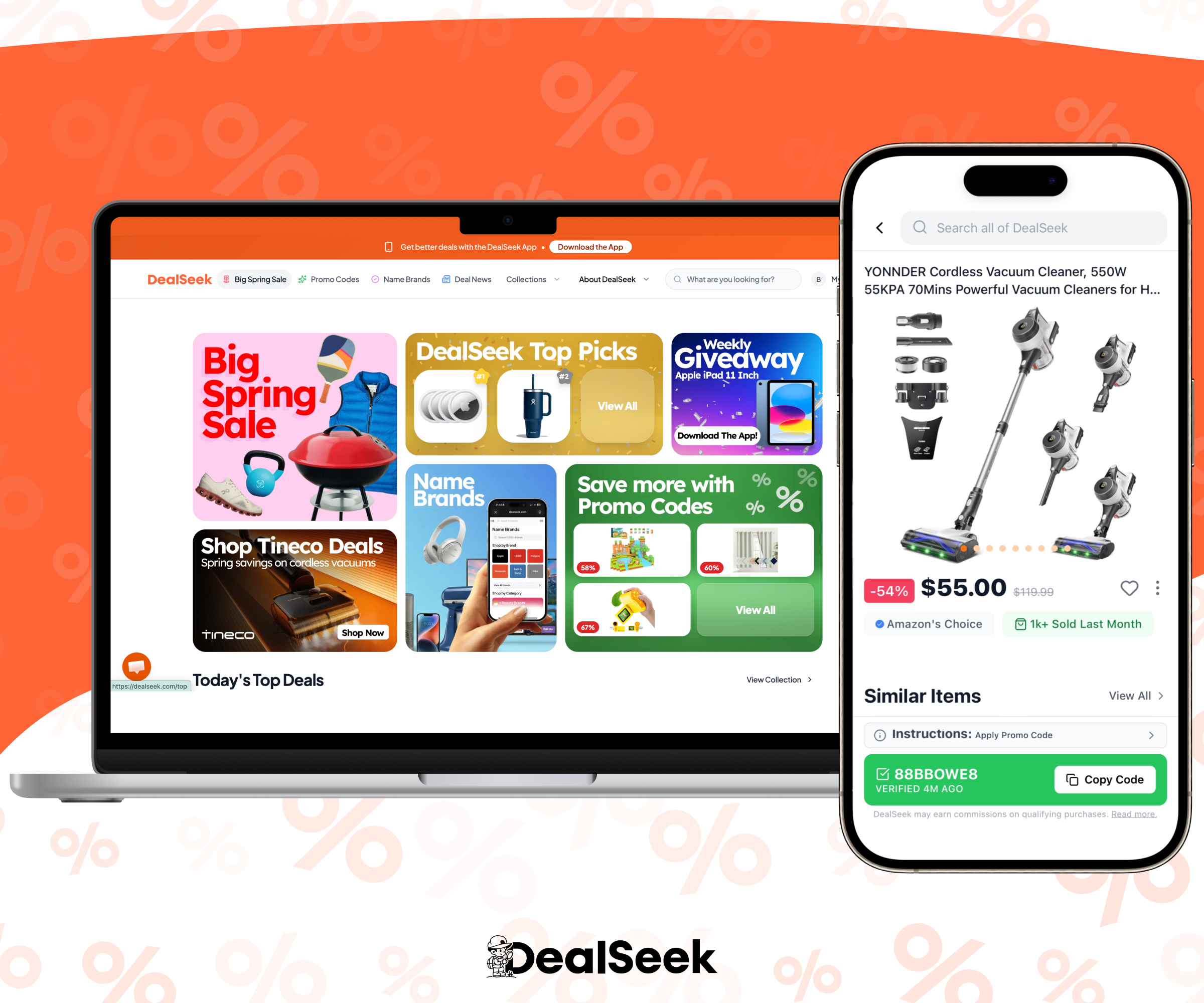
- DealSeek: It helps you find the best deals on Amazon by curating exclusive promo codes and verified price drops, so you can shop confidently knowing you’re paying the lowest possible price for legit products.
- RateBud: This website has become the go-to browser extension for many shoppers. It scans the product page for "review spikes" and sudden influxes of 5-star ratings that often indicate a paid campaign and assigns a reliability score to the listing.
- Keepa: While famous for tracking prices, Keepa is also a secret weapon for spotting fake reviews.
- The Trick: Look at the "Review Count" graph. If you see a vertical drop where the review count goes from 500 to 50 (a common occurrence when Amazon deletes a batch of fake reviews), you know the seller has been caught cheating before. Steer clear.
While no tool is 100% perfect, they provide an excellent second opinion before you commit to a purchase.
What Is Amazon Doing About It?
To their credit, Amazon is actively fighting this issue. They have sued thousands of sellers and fake review brokers. They also use sophisticated AI to block millions of suspicious reviews before they even get posted.
However, it is a game of whack-a-mole. As soon as Amazon closes one loophole, bad actors find another. This is why personal vigilance remains your best defense.
For more information on Amazon's official stance, you can read their Community Guidelines on Promotional Content.
Frequently Asked Questions (FAQ)
Q: Are "Vine Voice" reviews trustworthy?
A: Generally, yes. Amazon Vine is an official program where Amazon invites trusted reviewers to post opinions on new products. These reviewers receive the product for free, but they are encouraged to provide honest, unbiased feedback, including negative reviews. They are not paid cash.
Q: Should I only buy products with 5 stars?
A: Not necessarily. A product with a 4.3-star average and hundreds of detailed, varied reviews is often a safer bet than a brand-new product with twenty perfect 5-star reviews.
Q: If I spot a fake review, what should I do?
A: You can click the "Report abuse" link next to the review. While one report might not do much, a pattern of reports can trigger a manual review by Amazon's team.
Shop Smarter, Not Harder
Amazon remains one of the most reliable online marketplaces, and the vast majority of reviews are legitimate. By applying a healthy dose of skepticism and looking for the seven red flags outlined above, you can easily filter out the noise. Always choose detailed feedback over generic comments. Use DealSeek today to find verified promo codes and the very best deals on Amazon.
Once you've verified a product is high-quality, ensure you're getting the most out of your purchase with faster shipping and other perks!
Ready to become the ultimate savvy shopper?